The Ultimate 21 Day Uzbekistan and Turkmenistan Itinerary from Tashkent
A detailed 21 day Uzbekistan and Turkmenistan itinerary from Tashkent, with practical routing through Samarkand, Bukhara, Merv, Mary, Ashgabat, Darvaza, Koneurgench, Nukus, Moynaq, and Khiva.
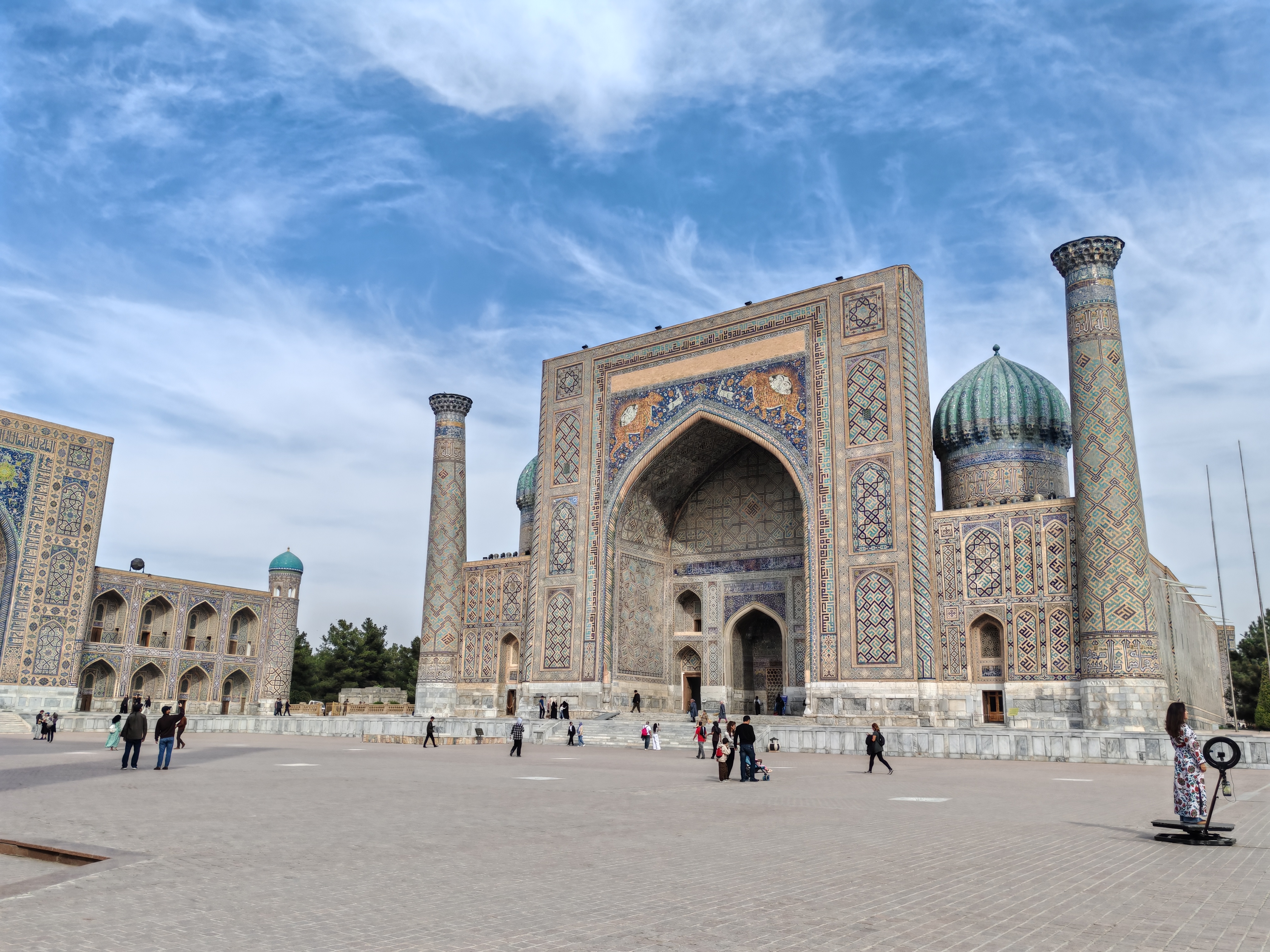
This 21 day Uzbekistan and Turkmenistan itinerary from Tashkent is for travelers who want to see Uzbekistan’s classic Silk Road route and add Turkmenistan in a way that actually works on the ground. The route starts in Tashkent, continues by train to Samarkand and Bukhara, crosses into Turkmenistan at Farap, follows our guided Turkmenistan tour through Merv, Mary, Ashgabat, Darvaza, and Koneurgench, then returns to Uzbekistan for Nukus, Moynaq, Khiva, and the train back to Tashkent.
We are a Turkmenistan travel operator, so the Turkmenistan part of this itinerary is not just a suggested route. It is the section we arrange for travelers with guide, transport, accommodation, sightseeing, and visa support connected to the booked tour. You can book this exact Turkmenistan portion here: From east to north (B).
Uzbekistan is straightforward to connect by train, but Turkmenistan needs more careful planning. Travelers should not treat the Turkmenistan section as an independent add-on. It must be booked in advance as a tour package, and visa support or a Letter of Invitation is tied to that confirmed tour. For current guidance, see our Turkmenistan visa support page.
Route summary
The route is simple and efficient: Tashkent - Samarkand - Bukhara - Farap border - Mary and Ancient Merv - Ashgabat - Darvaza Gas Crater - Koneurgench - Nukus - Moynaq - Khiva - Tashkent.
- Start: Tashkent International Airport
- Finish: Tashkent International Airport
- Total duration: 21 days
- Best for: travelers combining Uzbekistan’s Silk Road cities with a guided Turkmenistan tour
- Turkmenistan section: book our Farap to Koneurgench route at From east to north (B)
Days 1-3: Tashkent
Begin with three days in Tashkent. It is tempting to move straight to Samarkand, but starting slowly makes the rest of the trip easier. You can recover from the flight, get local currency, prepare for the train journeys, and adjust before the longer travel days begin.
On Day 1, fly into Tashkent International Airport, check in, and keep the evening light. A walk around Amir Timur Square or Tashkent City Park is enough for the first night.
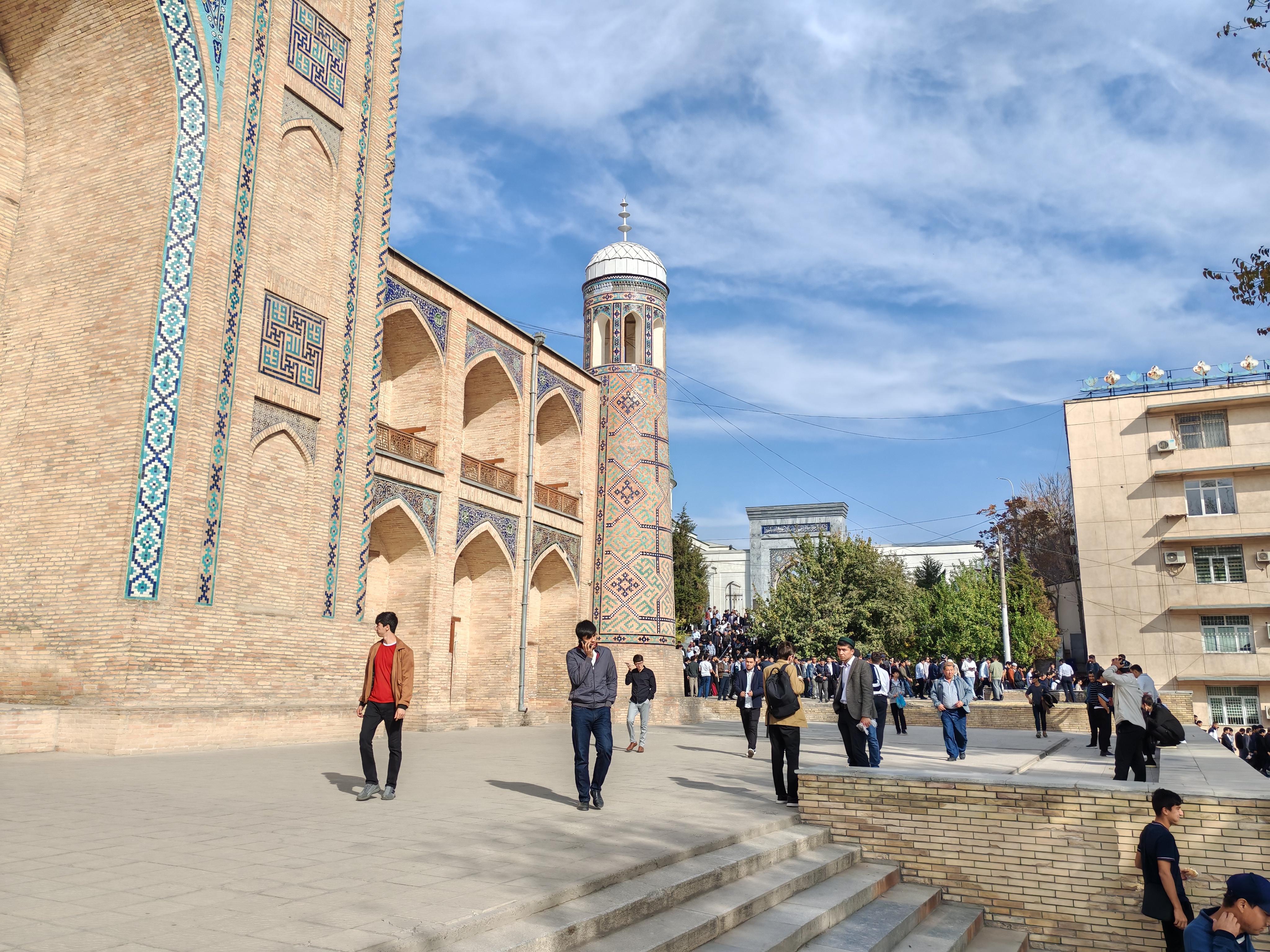
Day 2 is focused on old Tashkent. Visit the Khast Imam Complex, Chorsu Bazaar, Kukeldash Madrasah, and a few of the city’s decorated metro stations. Chorsu Bazaar is a useful early stop because it gives you a first feel for Uzbek food, bread, fruit, spices, and daily market life.
On Day 3, move into central Tashkent. Visit Amir Timur Square, the Museum of Applied Arts, Independence Square, Minor Mosque, and Besh Qozon Plov Centre. The Museum of Applied Arts is worth including before Samarkand and Bukhara because it introduces many of the crafts and decorative styles you will see again later in the journey.
Days 4-5: Samarkand
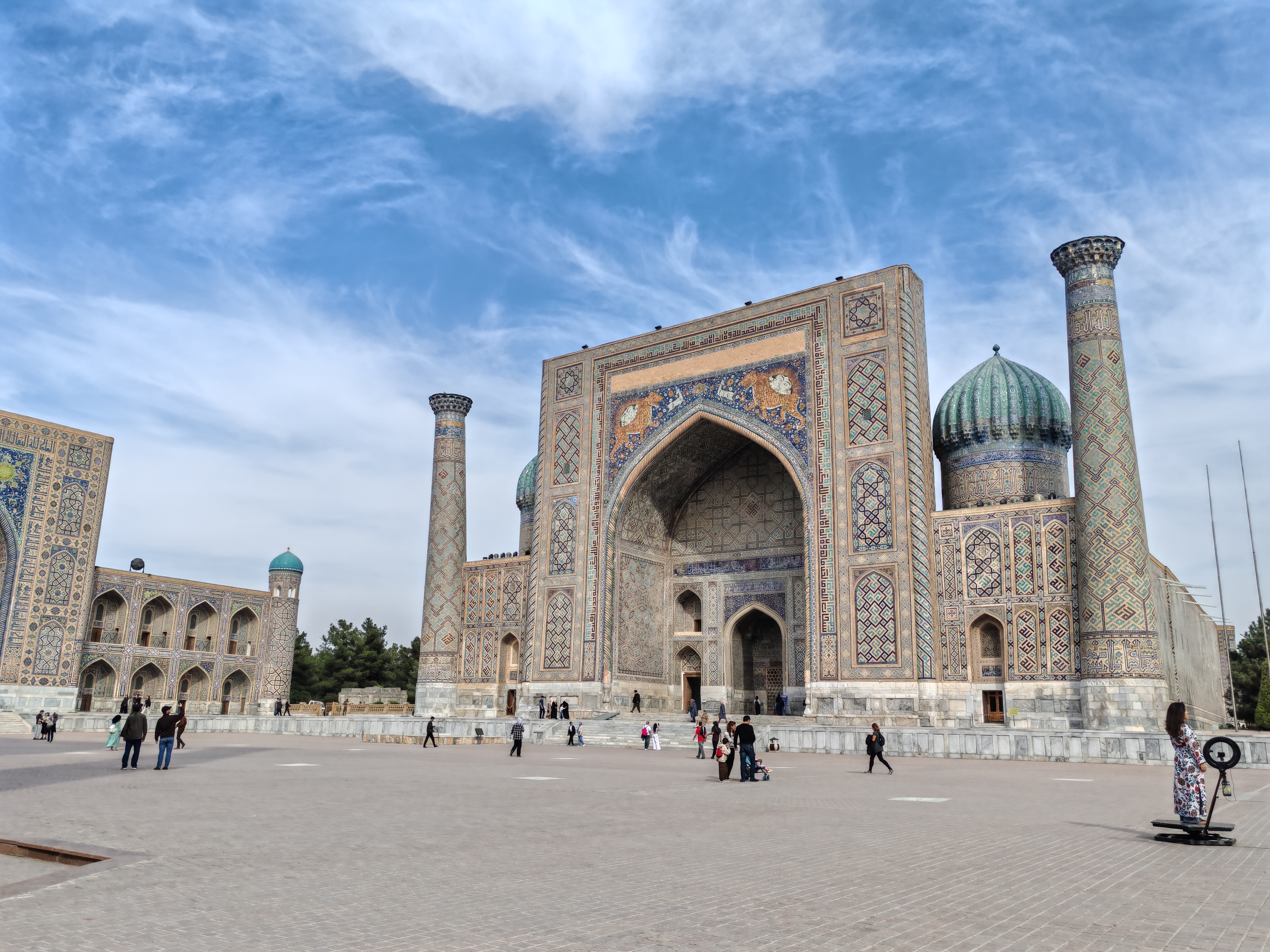
On Day 4, take the train from Tashkent to Samarkand. After check-in, visit Registan Square in the evening. This is usually the best first impression of Samarkand. The square is calmer after the busiest sightseeing hours, and the evening light gives the monuments more depth.
Day 5 is the main Samarkand sightseeing day. Visit Shah-i-Zinda, Bibi-Khanym Mosque, Siab Bazaar, Ulugh Beg Observatory, and Gur-e-Amir Mausoleum. This gives you a strong mix of tilework, Timurid history, local market life, and one of the most important architectural ensembles in Uzbekistan.
Samarkand is not a city to rush through with only a few photos at each stop. Start early, give Shah-i-Zinda enough time, and leave space for Siab Bazaar rather than treating it as a quick add-on between monuments.
Days 6-9: Bukhara
On Day 6, travel from Samarkand to Bukhara by train. After check-in, spend the evening around Lyabi Hauz and the old town. Bukhara is best enjoyed slowly, especially in the smaller lanes, courtyards, trading domes, tea houses, and workshop areas.
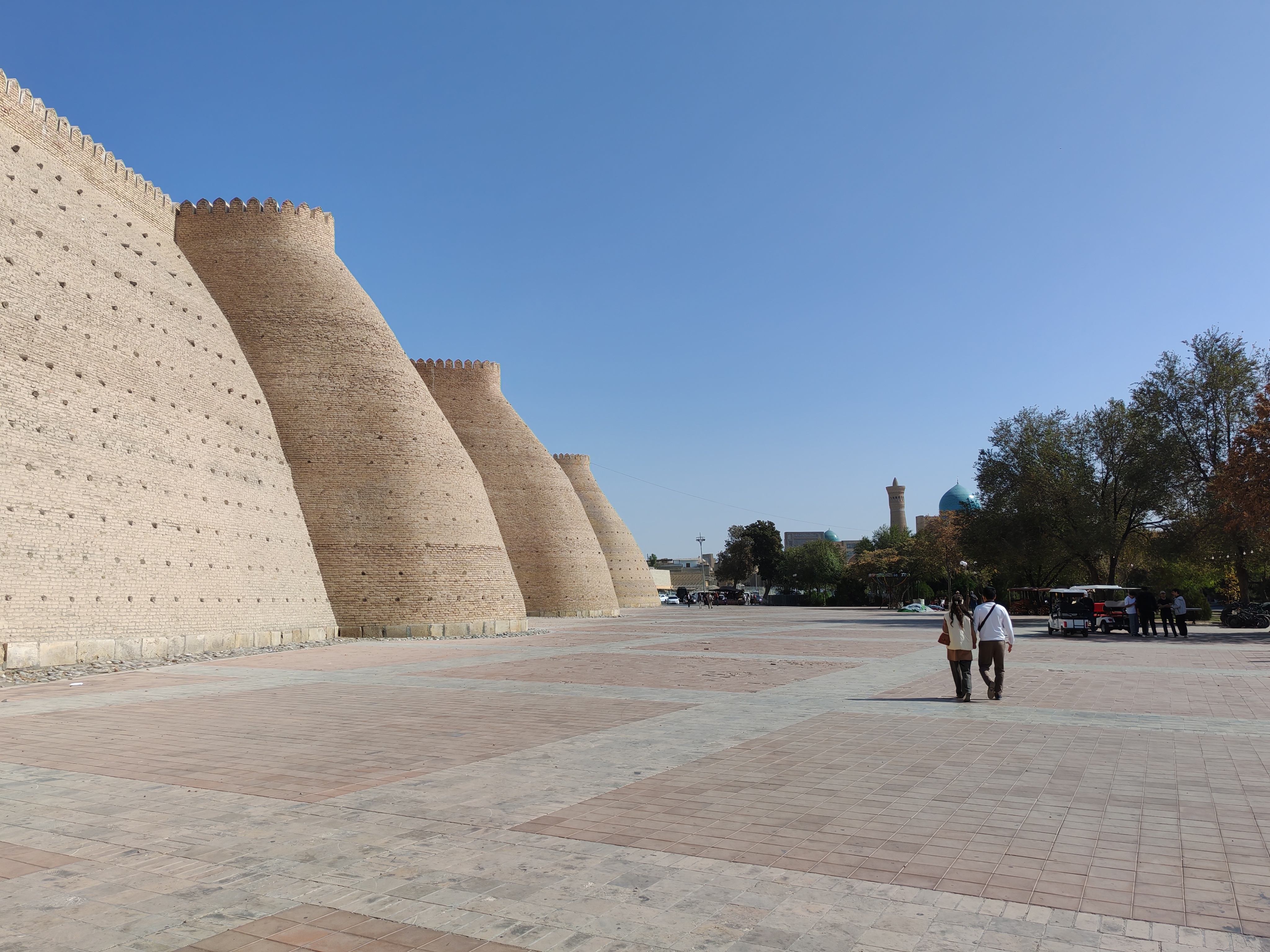
Day 7 covers the main historic core: Poi Kalyan Complex, Kalyan Minaret, Mir-i-Arab Madrasah, Ark Fortress, and Bolo Hauz Mosque. This is the classic Bukhara sightseeing day and gives you the city’s main religious and royal landmarks.
On Day 8, continue with the Samanid Mausoleum, Chashma Ayub Mausoleum, Chor Minor, the trading domes, and local bazaars. This second day matters because Bukhara is not only about the largest monuments. Some of its best moments are found in smaller sites and ordinary streets.
Day 9 is a half-day trip outside Bukhara to Sitorai Mokhi-Khosa Palace, Bahauddin Naqshband Complex, and Chor Bakr Necropolis. It is a good final day before the border crossing because it widens the picture beyond the old town and avoids making the next morning feel rushed.
Day 10: Ancient Merv, and Mary
This is the day the itinerary changes from independent Uzbekistan train travel to our guided Turkmenistan tour. You take a taxi from Bukhara to the Farap border, complete the exit and entry formalities, then meet our Turkmenistan guide on the Turkmen side of the border.
From Farap, the route continues by road via Turkmenabat toward Bairamaly and Mary. We arrange the Turkmenistan-side transport, guiding, sightseeing, accommodation, and tour logistics for this section. This is the first day of the bookable Turkmenistan program here: From east to north (B).
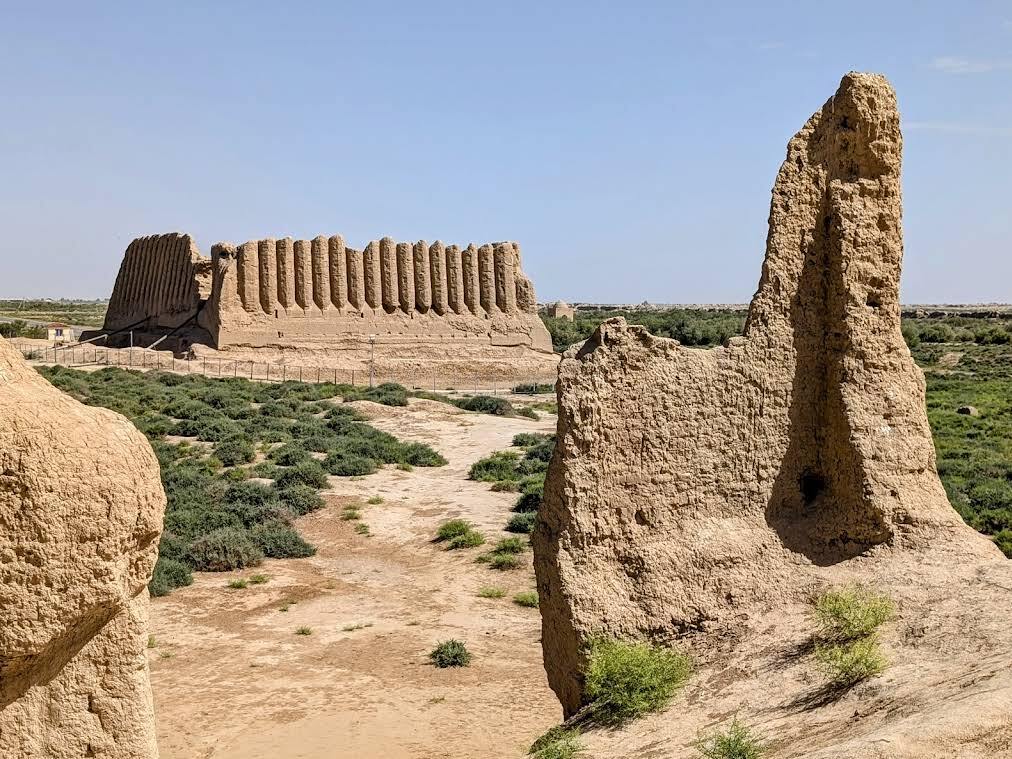
Ancient Merv
The main visit today is Ancient Merv. It is one of the most important historical sites in Turkmenistan and a major reason to include the country in a wider Central Asia itinerary. Merv is not a compact old city like Khiva. It is a large archaeological landscape, with remains from different periods spread across a wide area.
This is where having a guide makes a real difference. Without explanation, Merv can look like scattered walls, earthworks, mausoleums, and ruins. With context, it becomes one of the most powerful Silk Road stops on the route.
In the evening, continue to Mary for a Turkmen folklore dance show, dinner, and overnight at Margush Hotel.
Day 11: Mary to Ashgabat, Old Nisa, Akhalteke horses, and city tour
On Day 11, continue with our Turkmenistan tour from Mary to Ashgabat. This day combines archaeology, museum collections, local identity, and the very distinctive look of the Turkmen capital.
National Museum of Turkmenistan
The National Museum of Turkmenistan helps connect the historical sites with the wider story of the country. It is a useful stop before or after seeing places such as Merv and Old Nisa, because many travelers arrive with a strong understanding of Uzbekistan but less background on Turkmenistan.
Old Nisa
Old Nisa is one of the key historical sites near Ashgabat. It is very different from the tiled monuments of Samarkand and Bukhara, so it should not be judged in the same way. The value is in the history and the setting, and it is much better with proper guiding.
Akhalteke Horse Farm
The Akhalteke horse is closely associated with Turkmenistan, and a horse farm visit adds a local element to the day. After several days of mosques, madrasahs, bazaars, and ruins, this stop gives travelers something different and distinctly Turkmen.
Ashgabat city tour
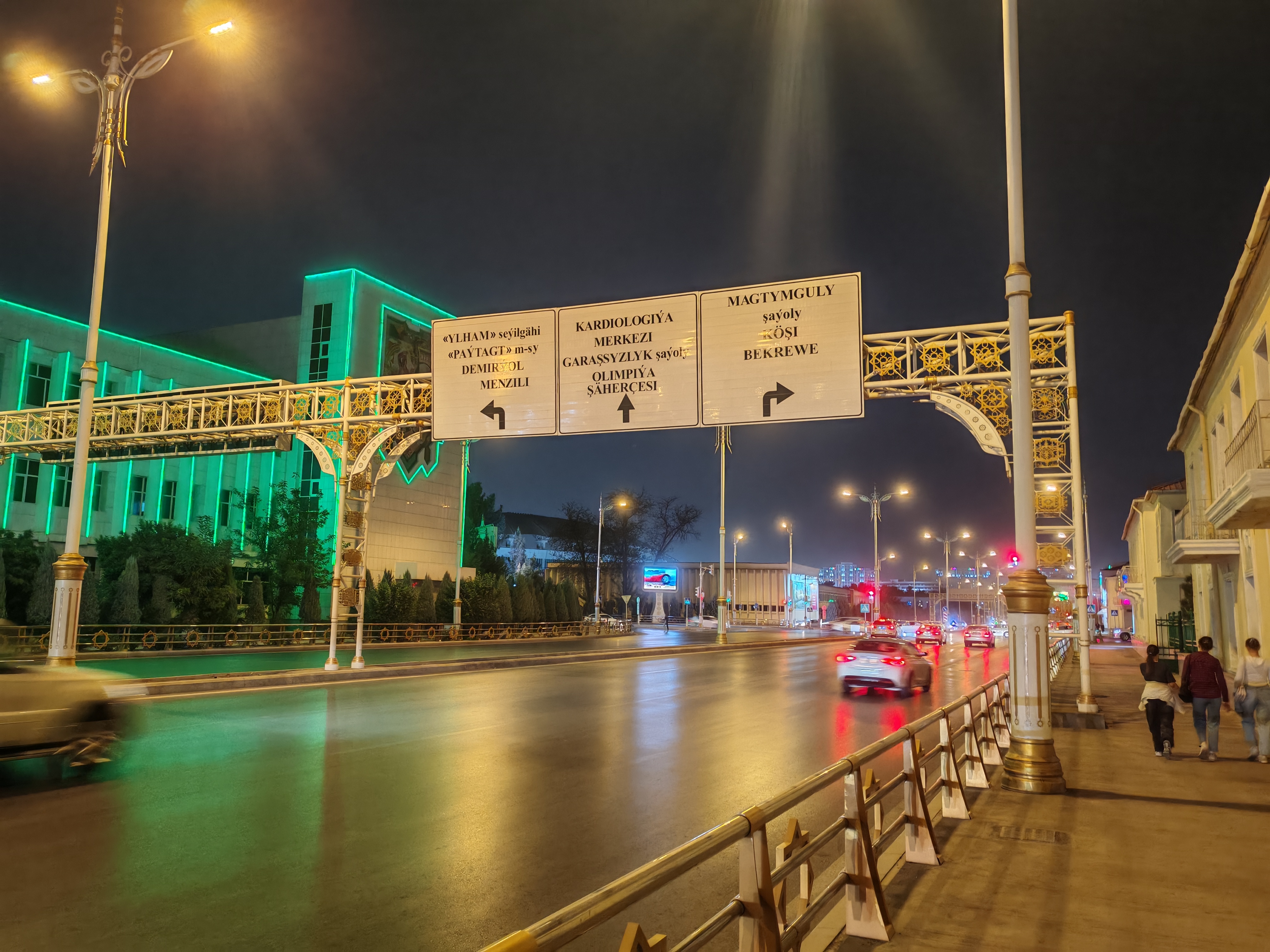
Finish with an Ashgabat city tour and overnight at Ak Altyn Hotel. Ashgabat often surprises travelers because it feels so different from Uzbekistan’s old cities. Wide roads, white marble buildings, large monuments, and planned public spaces define the city experience.
Day 12: Ashgabat to Darvaza Gas Crater
Day 12 starts with more time in Ashgabat in the morning. This gives the city a little breathing room before the tour turns north into the desert.
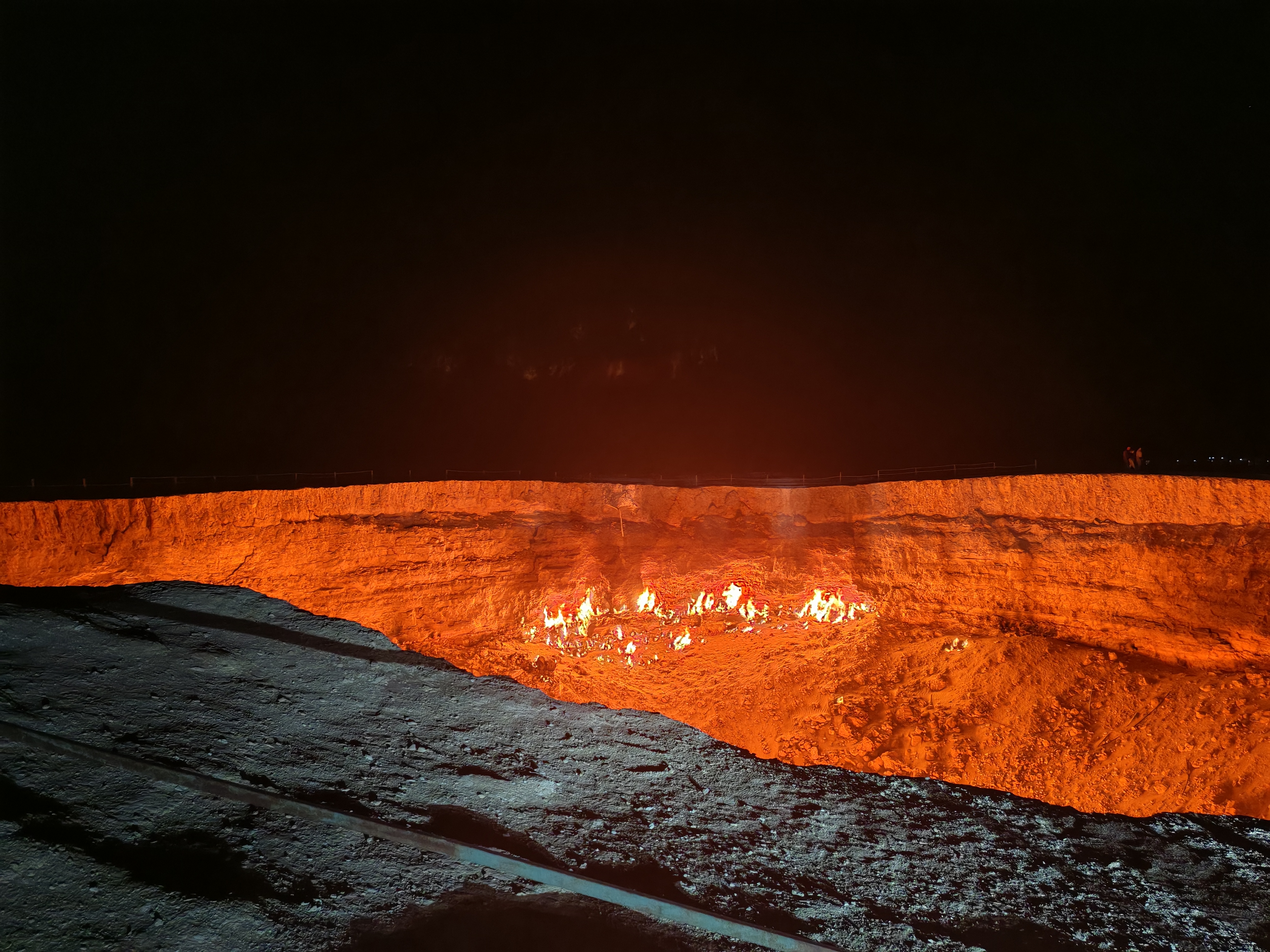
After lunch, our route continues by road to Darvaza Gas Crater. The drive is part of the experience. You leave the capital behind and move into a much emptier landscape, with the desert becoming the main setting for the rest of the day.
Evening at Darvaza
Darvaza is best seen in the evening. In daylight, you see the shape of the crater and the surrounding desert. After dark, the fire becomes far more dramatic. Dinner is a barbecue-style meal, followed by overnight in a Darvaza yurt.
The yurt stay is simple and remote. Travelers should expect basic comfort rather than luxury, and should bring layers for the evening, especially outside the hottest months. We include this overnight because seeing Darvaza after sunset is far better than treating it as a quick daytime stop.
Day 13: Darvaza to Koneurgench and the border near Nukus
On Day 13, the Turkmenistan tour continues from Darvaza to Koneurgench. This is the final sightseeing day in Turkmenistan before crossing back into Uzbekistan.
Koneurgench old city
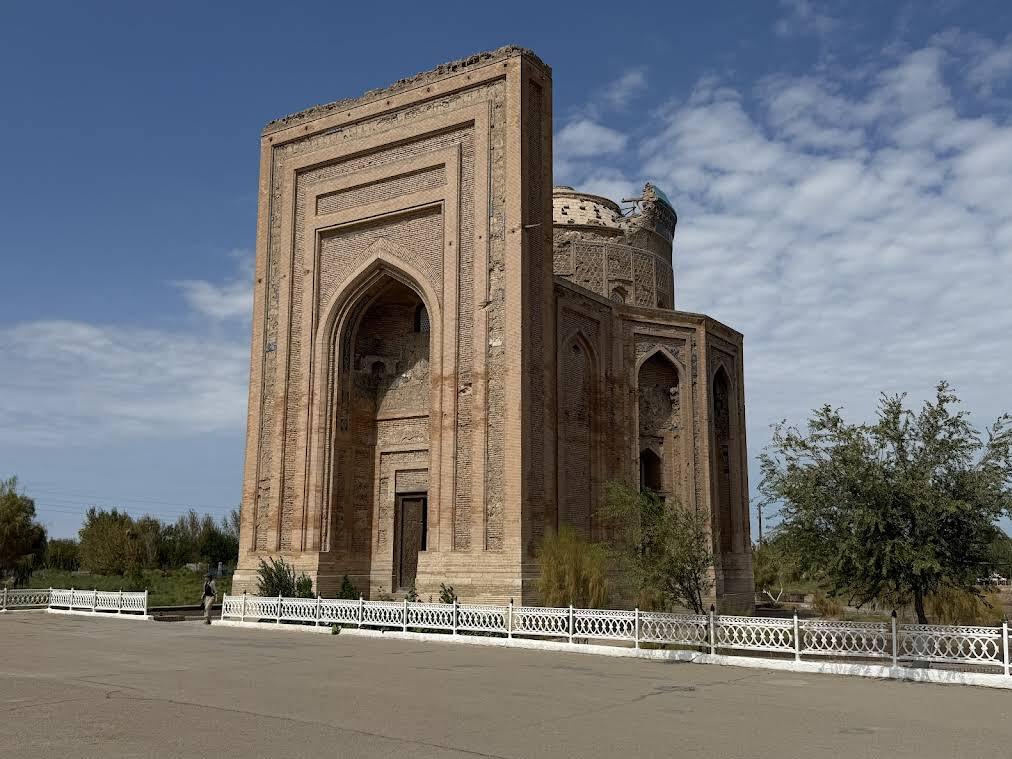
Koneurgench is an important final stop because it connects naturally with the Khorezm region and the onward route to Nukus and Khiva. The visit focuses on the old city, including historic mausoleums and minarets. It feels different from both Merv and Ashgabat, which is why it works well at the end of the Turkmenistan section.
Crossing back to Uzbekistan
After sightseeing, transfer to the Koneurgench border near Nukus and cross back into Uzbekistan. Border procedures can change, so the timing should stay flexible. This is another reason we arrange the Turkmenistan section as a proper guided tour rather than leaving travelers to connect the pieces themselves.
Days 14-16: Nukus, Moynaq, and Karakalpakstan
After crossing back into Uzbekistan, spend three days based around Nukus and Karakalpakstan. This part of the route is very different from Samarkand and Bukhara, and it gives the journey more depth than a simple Silk Road city circuit.
On Day 14, arrive in Nukus from the Koneurgench border, check in, visit the Savitsky Museum, and take a walk around central Nukus. After several border and desert travel days, it is better not to overload the evening.
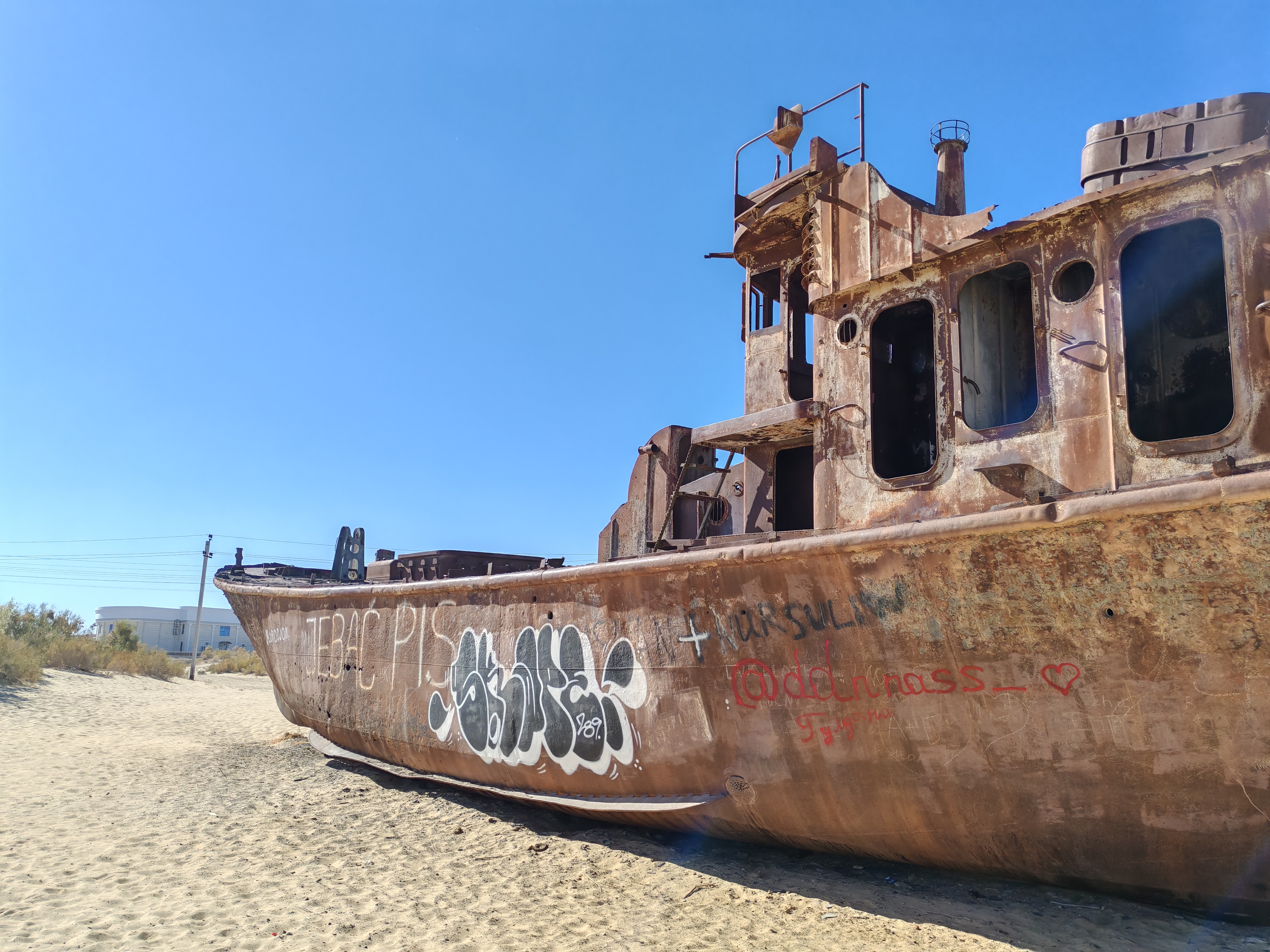
Day 15 is a day trip to Moynaq. Visit the Aral Sea ship graveyard, Moynaq Museum, and the former shoreline area. This is one of the most serious and memorable days of the itinerary. It shows the environmental history of the Aral Sea region and adds a very different layer to the journey.
On Day 16, visit Mizdakhan Necropolis, Gyaur-Kala ruins, local bazaars, and enjoy a relaxed final evening in Nukus. Keeping this extra day is sensible because distances in Karakalpakstan are long, and the route has already included several major travel days.
Days 17-19: Khiva
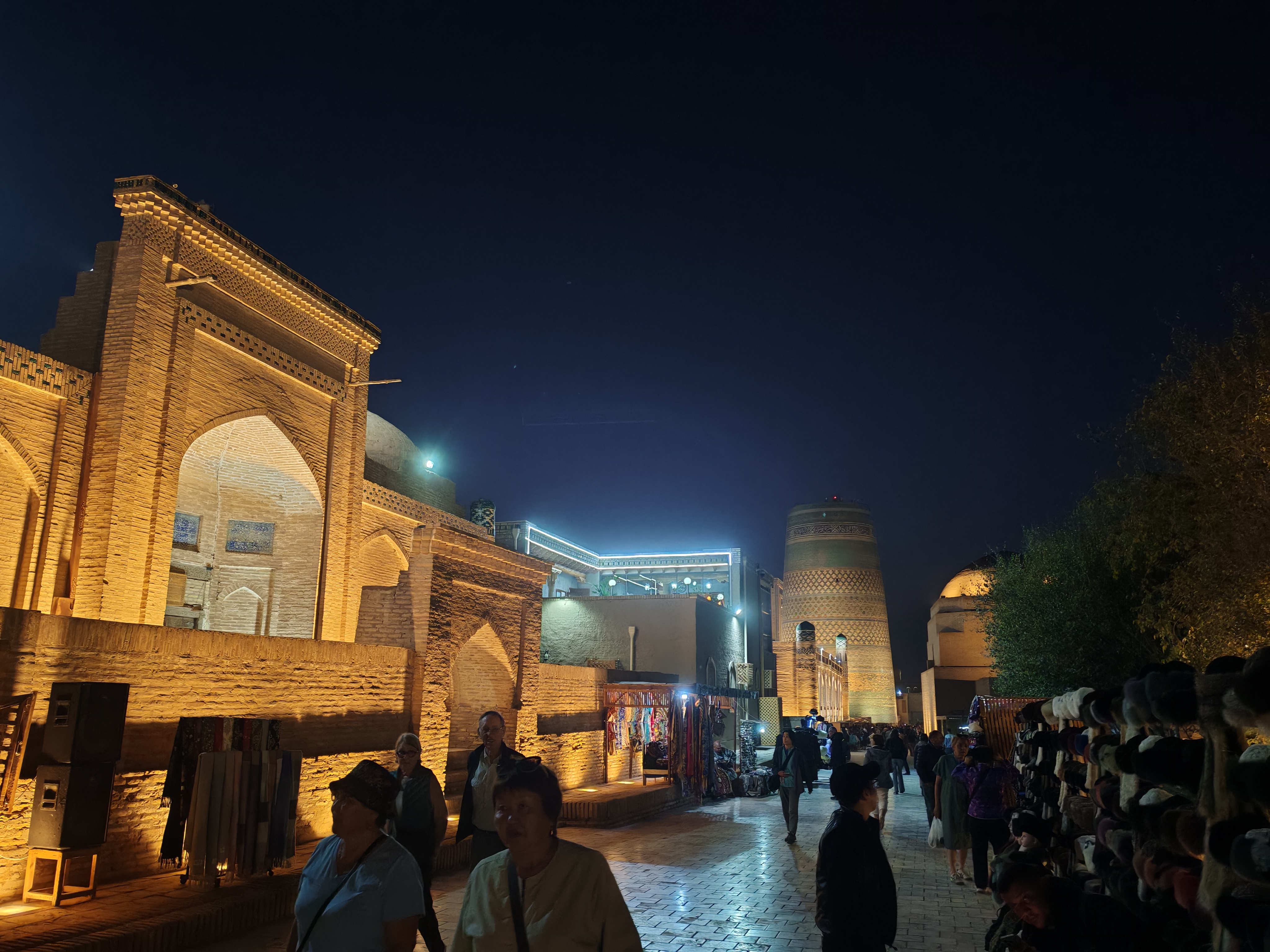
On Day 17, transfer from Nukus to Khiva, check in, and take an easy evening walk inside Itchan Kala. Khiva is compact, atmospheric, and easy to explore on foot after the long open landscapes of Karakalpakstan.
Day 18 is the main Khiva sightseeing day. Visit Itchan Kala, Kalta Minor Minaret, Muhammad Amin Khan Madrasah, Kunya-Ark Citadel, and Juma Mosque. Because most sites are close together, this day feels less demanding than some earlier sightseeing days.
On Day 19, continue with Tash Khauli Palace, Islam Khodja Minaret, Pahlavon Mahmud Mausoleum, the city walls, and sunset views over Itchan Kala. A second full day is worth keeping because Khiva is at its best when you have time to revisit the same streets in different light.
Days 20-21: Khiva to Tashkent and departure
On Day 20, take the fast train from Khiva to Tashkent, depending on the current schedule. Train times can change, so it is better not to connect this directly with an international flight. Spend the final evening in Tashkent.
On Day 21, fly out of Tashkent International Airport. Keep enough time for the airport transfer and check-in, especially after a long multi-country trip.

Booking the Turkmenistan part with us
The Turkmenistan section in this itinerary is our Farap to Koneurgench tour. It starts when you cross from Bukhara to Farap, where our guide meets you on the Turkmenistan side, and it finishes at the Koneurgench border near Nukus after visiting Merv, Mary, Ashgabat, Darvaza, and Koneurgench.
We arrange the Turkmenistan-side guide, private transport, accommodation listed in the program, sightseeing, Darvaza yurt overnight, and visa support connected to the booked tour. You can see and book the program here: From east to north (B).
For travelers who want fixed-date options, check our shared group departures. For details about Letter of Invitation and visa support, visit our visa support page. Exact visa and border rules can change, so confirm the current requirements before booking flights.
Final thoughts
This 21 day Uzbekistan and Turkmenistan itinerary from Tashkent works because each section has a clear purpose. Tashkent gives you a practical start, Samarkand and Bukhara cover the great Silk Road cities, our Turkmenistan tour adds Merv, Ashgabat, Darvaza, and Koneurgench, and the return through Nukus, Moynaq, and Khiva completes the loop before heading back to Tashkent.
The most important planning step is the Turkmenistan portion. Once our Farap to Koneurgench tour is arranged, the full Uzbekistan and Turkmenistan route becomes much easier to manage.